

































What is the paleo diet?
This article is general information, not medical advice. Talk to your doctor or a registered dietitian before changing your diet, especially if you have a health condition, take medication, or are pregnant or breastfeeding. Disclosure: Kalomo AI makes a calorie-tracking app, which we mention at the end of this article.
The short answer
The paleo diet is built on foods people could hunt or gather, such as meat, fish, eggs, vegetables, fruit, nuts and seeds, and it cuts out grains, legumes, dairy, added sugar and most processed foods. Small, short-term trials suggest it can help with weight and waist size, but long-term evidence is limited and dropping whole food groups can leave gaps in calcium, vitamin D and fiber.
What the paleo diet is
“Paleo” is short for Paleolithic, the long stretch of human history before farming. The idea is to eat roughly the way hunter-gatherers might have, favoring whole, unprocessed foods and leaving out foods that came with agriculture and industry (Harvard T.H. Chan School of Public Health).
There's no single official version, so food lists vary. The core, though, is fairly consistent.
What you eat and what you skip
According to Harvard's Nutrition Source:
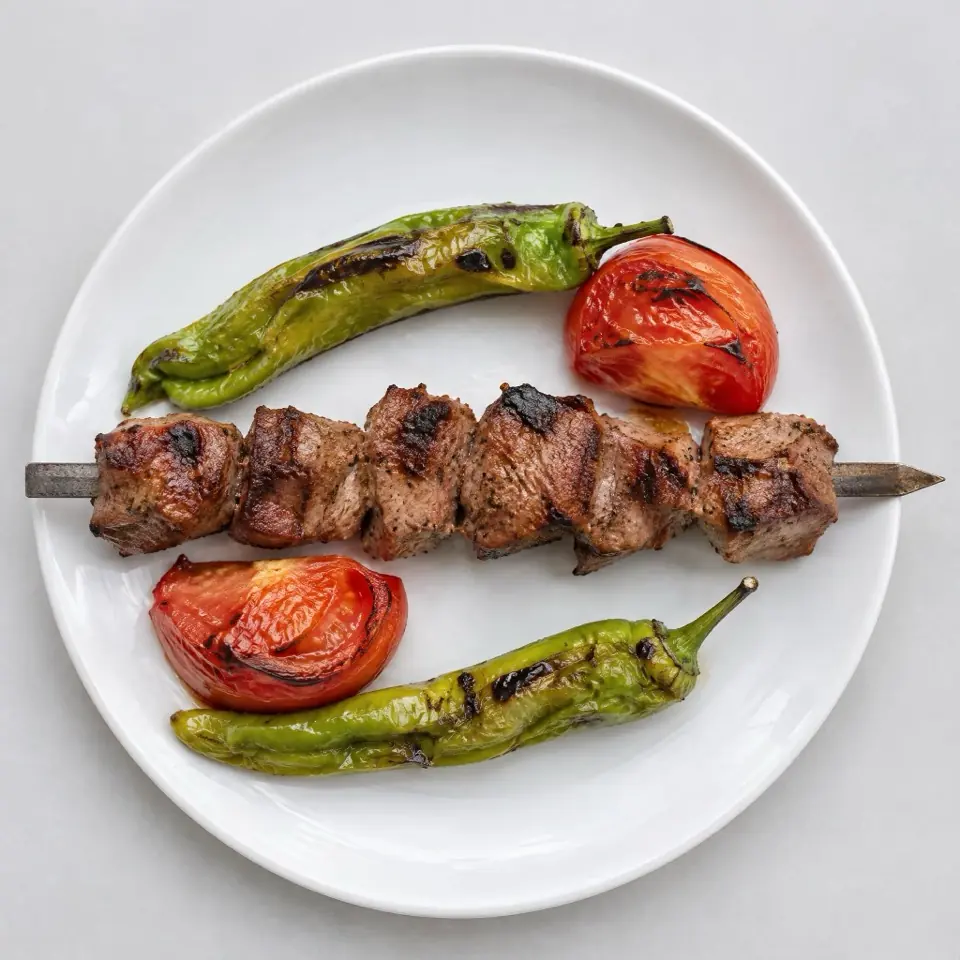
- Eat: lean meats, fish and shellfish, eggs, vegetables, fruit, nuts, seeds, olive oil and coconut oil, plus small amounts of honey. Sweet potatoes and cassava are allowed in moderation.
- Skip: all grains (including whole grains), refined sugars, dairy, legumes such as beans, lentils and peanuts, white potatoes, refined vegetable oils like canola, added salt, alcohol, coffee and most processed foods.
How to get started
- Build each meal around a protein (fish, eggs, poultry or lean meat) and fill most of the plate with vegetables.
- Lean toward fish and poultry. Harvard notes that high red meat intake has been linked to higher risk of heart disease, diabetes and early death (Harvard T.H. Chan School of Public Health).
- Plan where your calcium and vitamin D will come from without dairy, and ask a dietitian whether you need a supplement.
- Use olive oil for cooking and keep fruit, nuts and honey in sensible portions, since they add up quickly.
- Expect more cooking and shopping time. The diet relies on fresh food and can cost more than a typical diet (Harvard T.H. Chan School of Public Health).
Calories and macros on paleo
Paleo doesn't set calorie or macro targets. Weight loss, when it happens, still comes down to energy balance: you are likely to lose weight if you take in fewer calories than you use (NHS). Cutting out bread, pasta, sweets, sugary drinks and snack foods often lowers calories without counting, but nuts, oils, dried fruit and fatty cuts of meat are calorie-dense and can easily make up the difference.
Because grains and legumes are out, paleo tends to be lower in carbohydrate and higher in protein than a standard diet, while fat is moderate and mostly unsaturated (Harvard T.H. Chan School of Public Health). If you want to see the numbers, our calorie guide explains how to estimate your needs, and you can check portions such as baked salmon.
Pros and cons
Pros: it pushes you toward whole, fresh foods; it cuts added sugar and ultra-processed snacks; and it encourages plenty of vegetables. Those habits line up with WHO advice to eat at least 400 g of fruit and vegetables a day and keep free sugars under 10% of energy (WHO).
Cons: it removes whole grains and legumes, which are good sources of fiber, and WHO advises adults to get at least 25 g of fiber a day (WHO). Without dairy, calcium and vitamin D can fall short; one small study found calcium intake dropped by about half. It can also be expensive and time-consuming (Harvard T.H. Chan School of Public Health).
Who should be careful
Paleo is restrictive, and the missing food groups matter more for some people than others. Talk to a doctor or dietitian first if you:
- are pregnant or breastfeeding, or are feeding a child or teen on this pattern
- have kidney disease or have been told to limit protein
- have osteoporosis or low bone density, given the risk of low calcium and vitamin D (Harvard T.H. Chan School of Public Health)
- take medication for diabetes or blood pressure, since a big change in diet can affect how much you need
- have a history of disordered eating
What the evidence says
A 2015 meta-analysis of four randomized trials with 159 people who had features of metabolic syndrome found that paleo eating improved waist size and triglycerides more than guideline-based diets in the short term, with smaller and less certain differences in blood pressure, HDL cholesterol and blood sugar. The authors rated the evidence as moderate and called for more research (Manheimer et al., 2015).
A 2019 meta-analysis of 11 trials found people on a paleo diet lost about 3.5 kg more on average than those on recommended control diets, with smaller waists and BMI too. The authors still concluded that larger and longer studies are needed (de Menezes et al., 2019).
Harvard's review also points out that most trials lasted six months or less and had fewer than 40 participants. In a longer two-year trial of 70 women, the paleo group lost more fat at six months, but by two years the difference was gone. Harvard's bottom line is that strong recommendations for paleo as a weight-loss diet can't be made yet (Harvard T.H. Chan School of Public Health).
In short: the parts of paleo that most experts agree with (more vegetables, fewer ultra-processed foods and less added sugar) can be kept without giving up whole grains, legumes or dairy.
A sample day
A simple paleo-style day using dishes from our database. Values reflect typical recipes, so a few details (like butter in the eggs) need a small swap for strict paleo.
- BreakfastScrambled eggsOur values are for eggs cooked in butter; strict paleo uses olive oil instead.218 kcal2 eggs
- LunchGrilled chicken breastServe with a large salad or roasted non-starchy vegetables.299 kcal1 breast
- DinnerBaked salmonOily fish adds unsaturated fat; pair with greens or sweet potato.466 kcal1 fillet
Frequently asked questions
Can you eat potatoes on paleo?
White potatoes are usually excluded, while sweet potatoes and cassava are allowed in moderation (Harvard T.H. Chan School of Public Health).
Is paleo the same as keto?
Not exactly. Paleo is defined by which foods are allowed rather than by a carb target, and it includes fruit, sweet potatoes and small amounts of honey (Harvard T.H. Chan School of Public Health). Keto, by contrast, is built around keeping carbohydrate very low.
Will I lose weight on paleo?
Some people do, mainly because cutting processed foods and sugar lowers calories. Short trials show modest extra weight loss compared with standard diets, but the long-term advantage is uncertain (de Menezes et al., 2019; Harvard T.H. Chan School of Public Health).
Do I need supplements on paleo?
Not necessarily, but because dairy is out, calcium and vitamin D are the nutrients most likely to fall short (Harvard T.H. Chan School of Public Health). A doctor or dietitian can tell you whether you need one.
Sources
- Diet Review: Paleo Diet for Weight Loss — Harvard T.H. Chan School of Public Health, The Nutrition Source
- Paleolithic nutrition for metabolic syndrome: systematic review and meta-analysis — American Journal of Clinical Nutrition (PMC, NIH)
- Influence of Paleolithic diet on anthropometric markers in chronic diseases: systematic review and meta-analysis — Nutrition Journal (PMC, NIH)
- Healthy diet — World Health Organization
- Understanding calories — NHS
Related articles
Track your plan with Kalomo AI
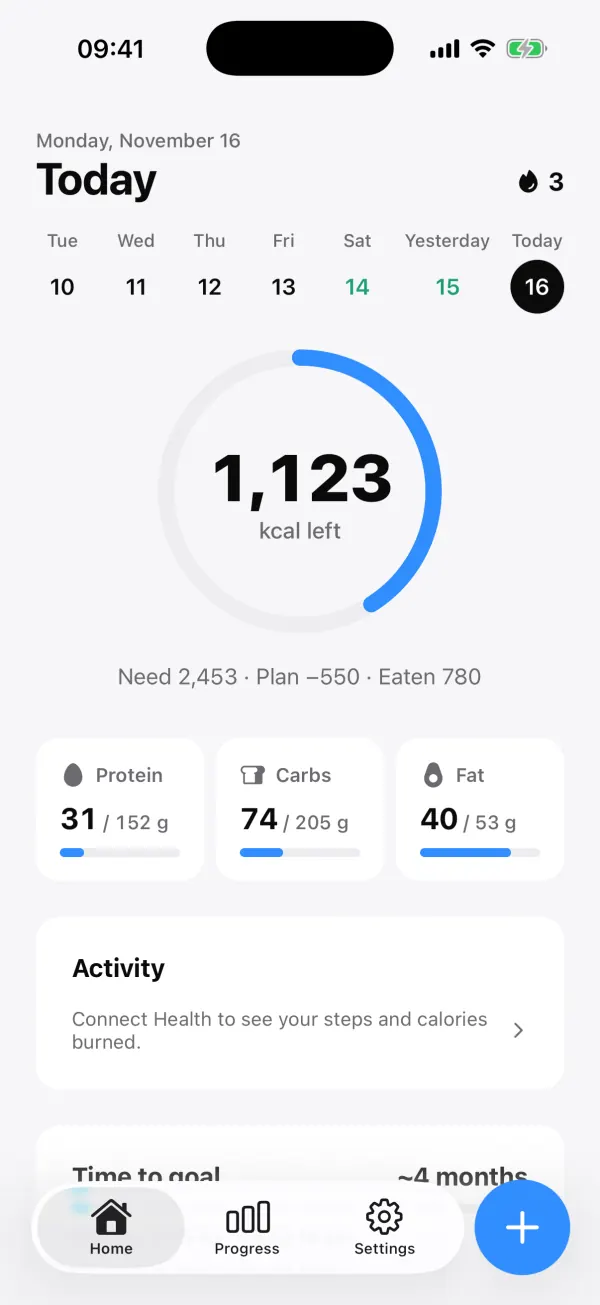
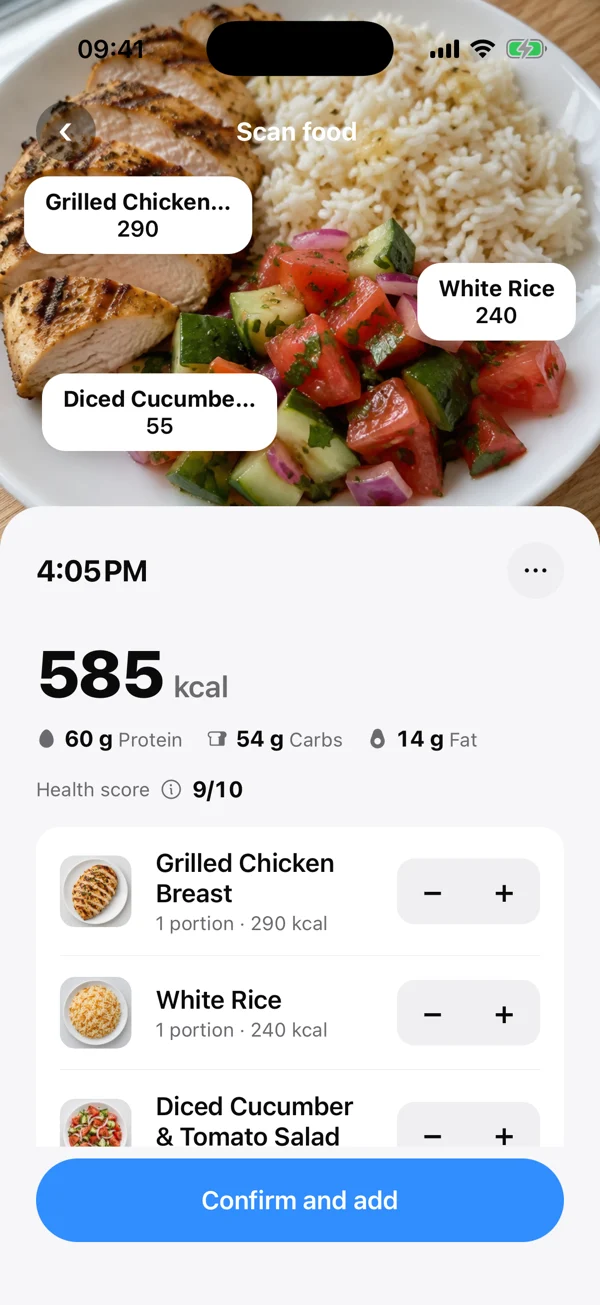
Snap a photo of your plate and get calories and macros in your log in seconds.