
















The Mediterranean diet: what to eat
This article is general information, not medical advice. Talk to your doctor or a registered dietitian before changing your diet, especially if you have a health condition, take medication, or are pregnant or breastfeeding. Disclosure: Kalomo AI makes a calorie-tracking app, which we mention at the end of this article.
The short answer
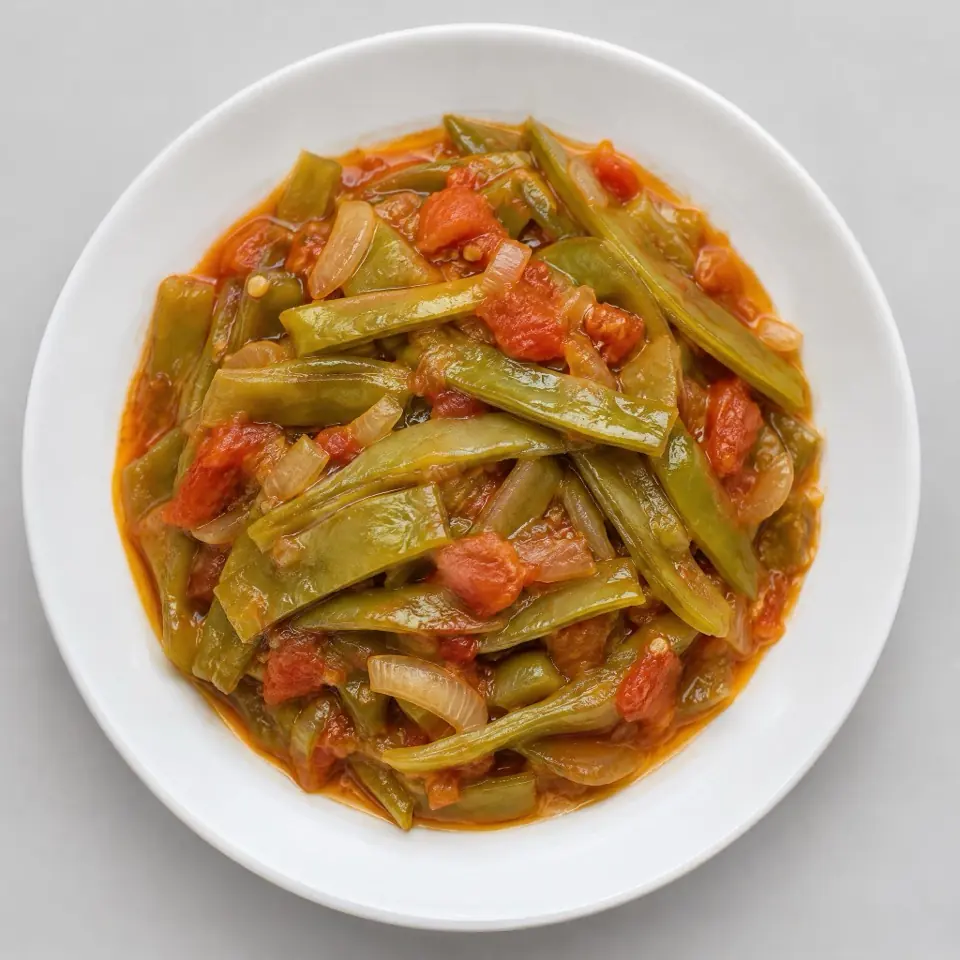
The Mediterranean diet is built on vegetables, fruit, whole grains, beans, nuts and olive oil, with fish as the go-to protein and red meat and sweets kept to a minimum. It's one of the most-studied eating patterns for heart health; for weight loss, it works best when paired with an eye on calories.
What the Mediterranean diet is
Rather than a strict plan, the Mediterranean diet is an eating pattern modeled on the traditional cooking of countries around the Mediterranean Sea. Harvard's Nutrition Source describes it as mostly plant-based: whole grains, olive oil, fruits and vegetables, beans and other legumes, nuts, herbs and spices. Fish and seafood are the preferred animal protein, with poultry, eggs, cheese and yogurt in smaller portions and red meat limited to a few times a month. Daily physical activity and sharing meals with others are part of the picture too (Harvard T.H. Chan).
There's no list of banned foods and no calorie target built in, which is a big part of why many people find it easier to stick with than more restrictive diets.
What to eat, and how often
Cleveland Clinic's Mediterranean diet guide gives this rough guide to servings (Cleveland Clinic):
- Vegetables: at least 3 servings a day, ideally one at every meal.
- Fruit: about 3 servings a day.
- Whole grains and starchy vegetables: 3–6 servings a day, such as oats, barley, quinoa, brown rice, and whole-wheat bread and pasta.
- Beans and lentils: about 3 servings a week.
- Fish: about 3 servings a week, favoring omega-3-rich fish like salmon, sardines, herring and mackerel.
- Nuts: at least 3 servings a week, such as walnuts, almonds and hazelnuts.
- Olive oil: extra virgin olive oil as your main fat, about 1–4 tablespoons a day.
- Poultry and dairy: no more than once a day each; lower-fat dairy is preferred.
- Red meat: none, or at most one serving a week of a lean cut.
- Sweets: skip store-bought desserts and keep homemade ones to about 3 servings a week.
Easy ways to start
You don't need to overhaul your kitchen overnight. A few swaps go a long way:
- Cook and dress salads with olive oil instead of butter or margarine.
- Make fish the main dish at least twice a week, and plan a couple of bean- or lentil-based meals.
- Trade white bread, white rice and refined pasta for whole-grain versions or oats.
- Add a vegetable to every meal: tomatoes with breakfast, a big salad at lunch, a vegetable side at dinner.
- Snack on a small handful of nuts or a piece of fruit instead of chips or cookies.
- Make water your default drink and cut back on soda and sweet tea.
Pros and cons
Pros: It's flexible, varied and realistic to follow long term. It's naturally high in fiber, unsaturated fats and antioxidants and low in saturated and trans fats, sodium and refined carbs. Cleveland Clinic links the pattern to lower risk of cardiovascular disease and to support for healthy weight, blood sugar, blood pressure and cholesterol (Cleveland Clinic).
Cons: Because the diet doesn't set portion sizes, generous pours of olive oil, handfuls of nuts and extra bread can push calories up and lead to weight gain. The benefits come from the whole pattern, so drizzling olive oil over an otherwise unchanged diet won't deliver the same results (Harvard T.H. Chan). Fresh fish, extra virgin olive oil and nuts can also strain a grocery budget.
Who should be careful
The Mediterranean diet is a safe choice for most adults, but a few points are worth knowing:
- Alcohol: Wine is optional, not required. Cleveland Clinic advises against starting to drink for the sake of this diet and suggests talking with your provider about alcohol's risks if you already drink.
- High cholesterol: Cleveland Clinic suggests people with high cholesterol limit egg yolks to 4 a week.
- Health conditions and allergies: If you have a chronic condition, take regular medication or have food allergies (nuts and fish are common ones), check with your doctor or a dietitian before big changes (Cleveland Clinic).
- Weight-loss goals: Without attention to portions, a diet rich in olive oil and nuts can easily exceed your calorie needs.
How it relates to calories and macros
This isn't a low-fat diet. In the PREDIMED trial, total fat made up roughly 39–42% of calories, and Harvard stresses that the type of fat matters more than the percentage. Harvard also notes that weight loss on a Mediterranean diet is most likely when it's combined with calorie restriction (Harvard T.H. Chan).
Olive oil is healthy but calorie-dense, so measuring it, at least at first, makes a real difference. You can look up the calories and macros of everyday dishes in our calorie guide, including staples like baked salmon.
What the evidence says
The best-known trial is PREDIMED, run in Spain among people at high cardiovascular risk. A Mediterranean diet supplemented with extra virgin olive oil or nuts was linked to fewer strokes than a low-fat control diet. A 2019 Cochrane review rated that finding as moderate-certainty evidence, roughly 14 strokes per 1,000 people versus 24, and downgraded it one level because the trial was retracted and reanalyzed in 2018 over randomization problems (Rees et al., Cochrane 2019).
The same review found low- to moderate-certainty evidence for modest improvements in risk factors in people without heart disease, scarce evidence for people who already have it, and lingering uncertainty about hard clinical outcomes. Large observational studies add support: women who followed the pattern most closely had lower cardiovascular risk (Harvard T.H. Chan). Overall, the evidence is consistent and encouraging, though it doesn't guarantee results.
A sample day
A Mediterranean-style day built from dishes in our database. At these portions it comes to about 900 kcal, so round it out with vegetables, fruit, beans or nuts to fit your needs.
- BreakfastOatmeal1 bowl (240 g), about 154 kcal and 4 g fiber; top with berries and walnuts.154 kcal1 bowl
- LunchAvocado toast1 slice (120 g) on whole-wheat toast with olive oil, about 280 kcal and 8 g fiber.280 kcal1 slice
- DinnerBaked salmon1 fillet (170 g), about 466 kcal; one of the week's fish servings.466 kcal1 fillet
Frequently asked questions
Can you lose weight on the Mediterranean diet?
You can, but it isn't automatic. Harvard notes weight loss is most likely when the diet is combined with calorie restriction, since olive oil and nuts add up quickly (Harvard T.H. Chan).
How much olive oil should I use a day?
Cleveland Clinic suggests extra virgin olive oil as your main fat, about 1–4 tablespoons a day (Cleveland Clinic). If you're trying to lose weight, staying near the lower end helps.
Do I have to drink red wine?
No. Wine is optional, and if you don't drink, you shouldn't start because of this diet (Cleveland Clinic).
Is pasta allowed on the Mediterranean diet?
Yes. Whole grains, including whole-wheat pasta, are a core part of the pattern. Keep portions moderate and pair pasta with vegetables, beans or fish rather than heavy cream sauces.
Sources
- Diet Review: Mediterranean Diet — Harvard T.H. Chan School of Public Health – The Nutrition Source
- Mediterranean Diet: Food List & Meal Plan — Cleveland Clinic
- Mediterranean-style diet for the primary and secondary prevention of cardiovascular disease — Cochrane Database of Systematic Reviews (PMC/NIH)
Related articles
Track your plan with Kalomo AI
Snap a photo of your plate and get calories and macros in your log in seconds.