

































How to do a low-carb diet
This article is general information, not medical advice. Talk to your doctor or a registered dietitian before changing your diet, especially if you have a health condition, take medication, or are pregnant or breastfeeding. Disclosure: Kalomo AI makes a calorie-tracking app, which we mention at the end of this article.
The short answer
A low-carb diet cuts back on bread, pasta, rice, sugar and sweet drinks and fills the gap with vegetables, protein and healthy fats. In research, about 50–150 g of carbs a day (or under 45% of calories) usually counts as low-carb, and 50 g or less as very low-carb. Over the long run it doesn't beat a balanced calorie-reduced diet for weight loss, so the best version is the one you can stick with, built on good-quality foods.
What counts as a low-carb diet?
There's no single official low-carb diet. Atkins and keto are well-known, stricter members of a broad family whose common thread is getting less of your energy from carbohydrate and more from protein and fat.
A 2022 Cochrane review, which pooled the randomized trials, used these bands: more than 50 g up to 150 g of carbs a day, or under 45% of total energy, is low-carb; 50 g a day or less, or under 10% of energy, is very low-carb; and 45–65% of energy is balanced (Naude et al., Cochrane 2022).
For comparison, the European Food Safety Authority puts the reference range for total carbohydrate at 45–60% of energy for adults and children, and considers 25 g of fiber a day adequate for normal bowel function in adults (EFSA). Going low-carb means deliberately eating below that range.
How it works
Weight loss on any diet comes down to taking in less energy than you burn. Cutting carbs often removes easy-to-overeat foods such as white bread, fried foods and sugar, which lowers total calories. Protein and fat can also help with appetite control, so some people find they're less hungry (Cleveland Clinic).
Early results can look dramatic. In one Atkins trial, the low-carb group lost more weight than the conventional-diet group at 3 and 6 months, but by 12 months the difference was no longer statistically significant (Foster et al., NEJM 2003). A fast start doesn't guarantee a better finish.
How to do a low-carb diet: step by step
Most people do better easing in than flipping a switch overnight:
- Pick your range. For most people the low-carb band (above 50 g a day) is plenty; going under 50 g is very restrictive and takes careful planning (Naude et al., Cochrane 2022).
- Cut sugar and refined flour first. Soda, juice, sweets, white bread, bagels and pastries are the easiest wins.
- Fill half your plate with non-starchy vegetables. Salad greens, broccoli, green beans, zucchini, peppers, cauliflower.
- Add protein to every meal. Eggs, fish, poultry, Greek yogurt, tofu, beans.
- Be choosy about fat. Harvard's T.H. Chan School of Public Health recommends olive and canola oil, fish, nuts and beans, limiting red meat and cheese, and avoiding processed meat (Harvard T.H. Chan).
- Spend your remaining carbs well. Whole grains, fruit and beans bring fiber, vitamins and minerals.
- Log for a few days. You'll quickly see where the carbs hide; our calorie guide lists carbs for common dishes.
How low-carb relates to calories and macros
Low-carb describes a macro split, not a calorie target. As carbs drop, protein and fat rise, and because fat packs more calories per gram, a fat-heavy low-carb plate can easily be high in calories. To lose weight, total intake still has to sit below what you burn.
For a realistic picture, look at Stanford's DIETFITS trial: over a year, people on the healthy low-carb diet averaged about 30% of calories from carbohydrate, 45% from fat and 23% from protein (Gardner et al., JAMA 2018). That's a sustainable low-carb pattern rather than an extreme one.
Pros and cons
Pros: The rules are simple, and cutting sugar and refined carbs helps almost any eating pattern. Some people find it easier to feel full. Very-low-carb eating may help control blood sugar, especially in people with diabetes, though that can require medication changes (Cleveland Clinic).
Cons: Cutting carbs can crowd out fruit, vegetables and whole grains, which supply vitamins, minerals and fiber (Harvard T.H. Chan). Very-low-carb eating has been linked to electrolyte imbalances, constipation, dangerously low blood sugar and kidney problems (Cleveland Clinic). It can also be hard to keep up at restaurants, family meals and social events.
Who shouldn't do it, or should talk to a doctor first
Trimming carbs moderately is fine for most healthy adults, but the stricter the plan, the more caution it needs:
- Pregnancy and breastfeeding: Cleveland Clinic advises against very-low-carb, Atkins-style eating during this time (Cleveland Clinic).
- Diabetes medication or insulin: cutting carbs lowers blood sugar, and without a dose adjustment it can drop dangerously low. Plan it with your doctor (Cleveland Clinic).
- Kidney disease: Cleveland Clinic advises people with kidney disease not to try Atkins; set your protein amount with your doctor or dietitian (Cleveland Clinic).
- Blood-pressure medication: diet changes and weight loss can change what you need, so don't adjust medication on your own.
- Children and teens: a restrictive diet while still growing shouldn't happen without medical supervision.
- A history of eating disorders: rules that ban food groups are a poor starting point; get professional support.
What the evidence says
The most complete summary is the 2022 Cochrane review of 61 randomized trials and 6,925 participants. In adults with overweight or obesity, low-carb weight-loss diets probably make little to no difference in weight loss compared with balanced-carb weight-loss diets for up to two years (around 1 kg on average), and the same holds for blood pressure and LDL cholesterol. That was true for people with and without type 2 diabetes (Naude et al., Cochrane 2022).
The DIETFITS trial of 609 adults found the same at 12 months: no significant difference in weight change between a healthy low-fat and a healthy low-carb diet. Neither genotype nor insulin secretion predicted who would do better on which diet (Gardner et al., JAMA 2018).
Over the long term, food quality seems to matter most. A cohort of 15,428 adults followed for a median of 25 years, pooled with other cohorts, found a U-shaped link between carbohydrate intake and mortality: 50–55% of energy from carbs was associated with the lowest risk, while under 40% and over 70% were associated with higher risk. Replacing carbs with animal fat and protein was linked to higher mortality, and replacing them with plant sources to lower mortality (Seidelmann et al., Lancet Public Health 2018). These are observational data and can't prove cause and effect, but it points toward building a low-carb diet on plants, nuts and fish rather than processed meat.
A sample day
A lower-carb day built from dishes on our site. At the site's standard portions these four dishes come to about 1,100 calories and 40 g of carbs, near the very-low-carb line. Add fruit, yogurt or more beans to move into a more moderate range and to meet your calorie needs.
- BreakfastScrambled eggsTwo eggs, about 218 calories and 1 g of carbs; add sautéed spinach or tomatoes.218 kcal2 eggs
- LunchGrilled chicken breastOne breast, about 299 calories and 50 g of protein, no carbs.299 kcal1 breast
- Lunch sideCaesar saladAbout 278 calories and 14 g of carbs; most of the carbs come from the croutons.278 kcal1 bowl
- DinnerChiliOne bowl with meat and beans, about 295 calories and 26 g of carbs, plus fiber from the beans.295 kcal1 bowl
Frequently asked questions
How many carbs a day is considered low-carb?
In research, more than 50 g up to 150 g a day (or under 45% of calories) is usually called low-carb, and 50 g or less very low-carb (Naude et al., Cochrane 2022). The right level for you depends on your health and what you can sustain.
Is low-carb the same as keto?
No. Keto is an extreme version that keeps carbs very low with the aim of putting the body into ketosis. Low-carb is a wider range that leaves more room for fruit, beans and whole grains.
Do you lose weight faster on low-carb?
Not in the long run. The Cochrane review found little to no difference in weight loss between low-carb and balanced-carb weight-loss diets for up to two years (Naude et al., Cochrane 2022). The calorie deficit and how long you can keep it up matter more.
Do I have to give up bread completely?
No, especially in the moderate range. Smaller portions of whole-grain bread or oats can fit. Harvard's Nutrition Source recommends choosing whole grains over refined grains (Harvard T.H. Chan).
I have diabetes. Can I go low-carb?
Very-low-carb eating may help blood sugar control, but if you take medication or insulin it can push blood sugar dangerously low (Cleveland Clinic). Talk to your doctor about your medication plan before you start.
Sources
- Low-carbohydrate versus balanced-carbohydrate diets for reducing weight and cardiovascular risk (Cochrane Database Syst Rev, 2022) — PubMed / NCBI
- Effect of Low-Fat vs Low-Carbohydrate Diet on 12-Month Weight Loss in Overweight Adults and the Association With Genotype Pattern or Insulin Secretion: The DIETFITS Randomized Clinical Trial (JAMA, 2018) — PubMed / NCBI
- Dietary carbohydrate intake and mortality: a prospective cohort study and meta-analysis (Lancet Public Health, 2018) — PubMed / NCBI
- A randomized trial of a low-carbohydrate diet for obesity (N Engl J Med, 2003) — PubMed / NCBI
- Low-Carbohydrate Diets — Harvard T.H. Chan School of Public Health, The Nutrition Source
- EFSA sets European dietary reference values for nutrient intakes — European Food Safety Authority (EFSA)
- What Is the Atkins Diet and Is It Healthy? — Cleveland Clinic
Related articles
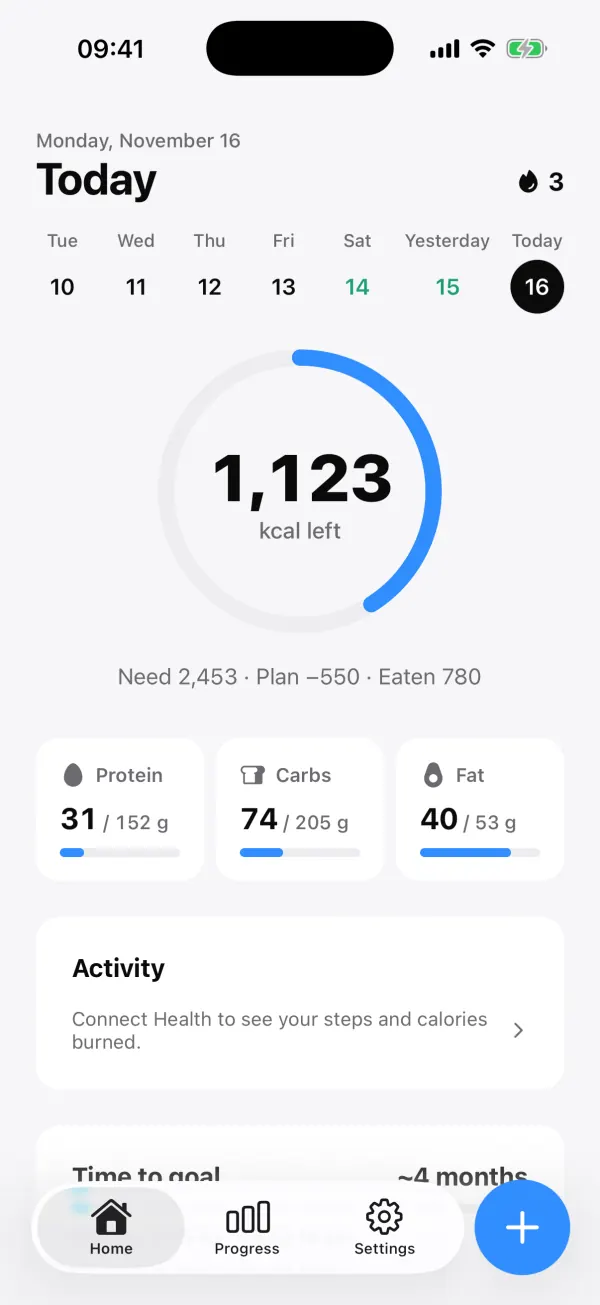
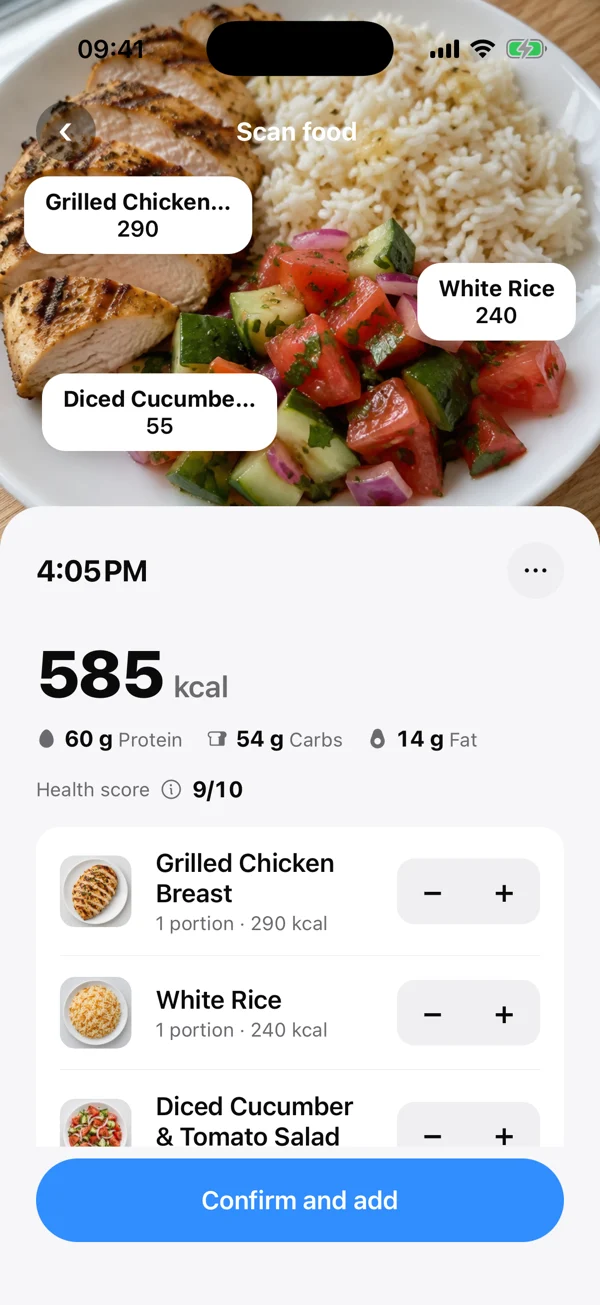
Track your plan with Kalomo AI
Snap a photo of your plate and get calories and macros in your log in seconds.