

































What is the ketogenic (keto) diet?
This article is general information, not medical advice. Talk to your doctor or a registered dietitian before changing your diet, especially if you have a health condition, take medication, or are pregnant or breastfeeding. Disclosure: Kalomo AI makes a calorie-tracking app, which we mention at the end of this article.
The short answer
The ketogenic diet cuts carbohydrates to usually under 50 grams a day and gets most calories from fat, pushing the body to burn ketones for fuel. It can produce weight loss in the short term, but after a year it isn't clearly better than other diets, and it comes with side effects, nutrient gaps and real limits on who should try it.
What keto is and how ketosis works
Keto started out as a medical treatment: it was introduced in 1920 for children with epilepsy whose seizures didn't respond to medication. Today it's mostly used for weight loss. A typical split is 70–80% of calories from fat, 10–20% from protein and just 5–10% from carbs, which usually means under 50 grams of carbohydrate a day and sometimes as little as 20 grams (Harvard T.H. Chan).
With so few carbs coming in, the body first burns through the glucose stored in the liver. According to Harvard, after roughly 3–4 days those stores run low, insulin drops, and fat becomes the main fuel. The liver turns fat into ketone bodies; this state is called ketosis. Protein is kept moderate because the body can turn extra protein into glucose, which works against ketosis.
What you eat (and skip) on keto
Based on Harvard's diet review, the food list breaks down like this:
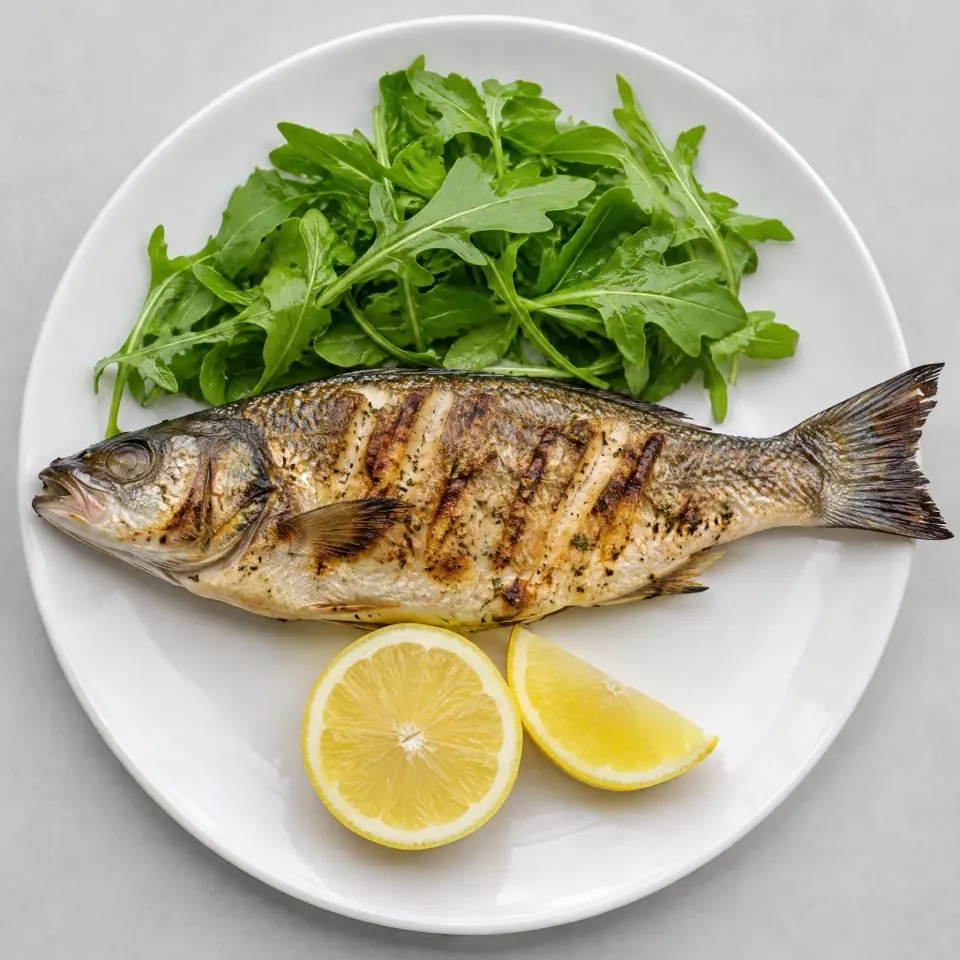
- Eat freely: olive oil and other plant oils, butter, avocado, nuts and seeds; meat, poultry, fish and eggs; hard cheeses; non-starchy vegetables like leafy greens, broccoli, cauliflower and peppers.
- In small amounts: a few fruits, mainly berries.
- Cut out: bread, pasta, rice, oats and other grains; beans, lentils and peanuts; potatoes, corn and winter squash; most fruit and all juice; sugar, desserts and sweet drinks; milk and other higher-lactose dairy; full-carb beer and wine.
How to start
Keto is restrictive enough that Cleveland Clinic recommends working with a doctor or registered dietitian (Cleveland Clinic). If you go ahead:
- Swap bread, pasta, rice, sweets and soda for vegetables, eggs, fish, poultry and cheese.
- Lean on unsaturated fats such as olive oil, nuts and fatty fish. Piling on saturated fat and processed meat can raise LDL cholesterol (Cleveland Clinic).
- Put non-starchy vegetables on every plate to help close the fiber gap.
- Drink plenty of water; headaches, fatigue and constipation are common in the first days.
- If you take insulin or other diabetes medication, only start under medical supervision, because your medication needs can change quickly when carbs drop.
Pros and cons
Pros: Short-term studies suggest people feel less hungry on ketogenic and very-low-calorie diets. Cutting sugar and refined carbs makes calorie control easier for some people. Cleveland Clinic also describes research in which some people with type 2 diabetes reduced their need for insulin and other medications (Cleveland Clinic).
Cons: The first days can bring what's often called the “keto flu”: hunger, fatigue, irritability, constipation, headaches and brain fog. Cutting grains, beans and most fruit raises the risk of falling short on fiber, B vitamins, iron, magnesium and zinc. Longer-term concerns include kidney stones, bone loss and higher uric acid (Harvard T.H. Chan). A version heavy in saturated fat can raise LDL cholesterol. And adherence tends to slip over time, especially at restaurants, parties and family meals.
Who should not do keto
For these groups, keto is either not advised or its safety is unclear (Cleveland Clinic, Harvard T.H. Chan):
- People who are pregnant, trying to get pregnant, or breastfeeding.
- Children and teens, outside of medically supervised epilepsy treatment.
- People with kidney or liver disease.
- People with heart disease or at high risk of it.
- Anyone with a history of an eating disorder.
- People with type 1 diabetes, who face the highest risk of ketoacidosis. Anyone on insulin or other glucose-lowering drugs should talk to their doctor first.
How keto relates to calories and macros
Keto sets your macros, but calories still count. Weight loss comes from eating less energy than you burn; keto's possible edge is that it curbs appetite for some people, which makes the deficit easier to hold. Harvard's example of a 2,000-calorie keto day works out to about 165 g fat, 40 g carbs and 75 g protein.
Because fat is calorie-dense, small portions add up fast. You can check the carbs and fat in specific dishes in our calorie guide.
What the evidence says
A meta-analysis of 13 randomized trials lasting one to two years, summarized by Harvard, found keto produced only about 2 pounds more weight loss than low-fat diets at one year, with no clear difference at two years, and adherence fell over time. Harvard's overall verdict is that research on keto for weight loss is still limited and mostly small and short-term (Harvard T.H. Chan).
Long-term safety is also an open question. Cleveland Clinic notes there isn't enough data to show the diet is effective and safe over 20–30 years, and its heart experts say it's still unclear whether keto helps or harms the heart (Cleveland Clinic).
A sample day
Here's a sample day built from dishes in our database, with no bread, grains or potatoes. At these portions it comes to about 9 g of carbs and roughly 1,090 kcal.
- BreakfastScrambled eggs2 eggs (120 g), about 218 kcal and 1 g carbs.218 kcal2 eggs
- LunchRotisserie chicken1 serving (150 g), about 294 kcal and 38 g protein.294 kcal1 serving
- Lunch sideCollard greens1 cup (150 g), about 109 kcal and 8 g carbs; your main fiber source today.109 kcal1 cup
- DinnerBaked salmon1 fillet (170 g), about 466 kcal with zero carbs.466 kcal1 fillet
Frequently asked questions
How long does it take to get into ketosis?
It varies from person to person. Harvard says glucose stores are usually depleted after about 3–4 days of strict carb restriction, at which point fat becomes the main fuel (Harvard T.H. Chan).
What is the keto flu?
It's the informal name for symptoms some people get when they cut carbs sharply: hunger, fatigue, irritability, headaches, constipation and brain fog. They often ease within days; if they don't, or if they're severe, check with your doctor.
Can you eat fruit on keto?
Only a little. Most fruit and all fruit juice are restricted; small portions of berries are the usual exception (Harvard T.H. Chan).
Does keto raise cholesterol?
It can. A keto diet heavy in saturated fat may raise LDL cholesterol, which is why people with heart disease shouldn't try it without close medical monitoring (Cleveland Clinic).
Is keto the same as low-carb?
No. Keto is the strictest end of low-carb, designed to keep you in ketosis. Moderate low-carb plans don't aim for ketosis and leave more room for whole grains, beans and fruit.
Sources
- Diet Review: Ketogenic Diet for Weight Loss — Harvard T.H. Chan School of Public Health – The Nutrition Source
- What Is the Keto Diet and Should You Try It? — Cleveland Clinic
- Is the Keto Diet Heart-Healthy? — Cleveland Clinic
Related articles
Track your plan with Kalomo AI
Snap a photo of your plate and get calories and macros in your log in seconds.