

































The Dukan diet: phases, pros and cons
This article is general information, not medical advice. Talk to your doctor or a registered dietitian before changing your diet, especially if you have a health condition, take medication, or are pregnant or breastfeeding. Disclosure: Kalomo AI makes a calorie-tracking app, which we mention at the end of this article.
The short answer
The Dukan diet is a high-protein, low-carb plan that moves through four phases: Attack, Cruise, Consolidation and Stabilization. It can cut calories quickly because the food list is so narrow, but there are no good-quality trials testing it, it is low in fiber and fruit, and it is not a safe fit for people with kidney disease, diabetes or high blood pressure.
What the Dukan diet is
The Dukan diet was created by French doctor Pierre Dukan. It is a high-protein, low-carbohydrate eating plan built around lean protein, with vegetables and other foods added back in stages (Cleveland Clinic).
The first two phases are meant for losing weight and the last two for keeping it off. Daily oat bran and a set amount of walking are part of every phase.
The four phases, step by step
Here is how Cleveland Clinic describes the phases:
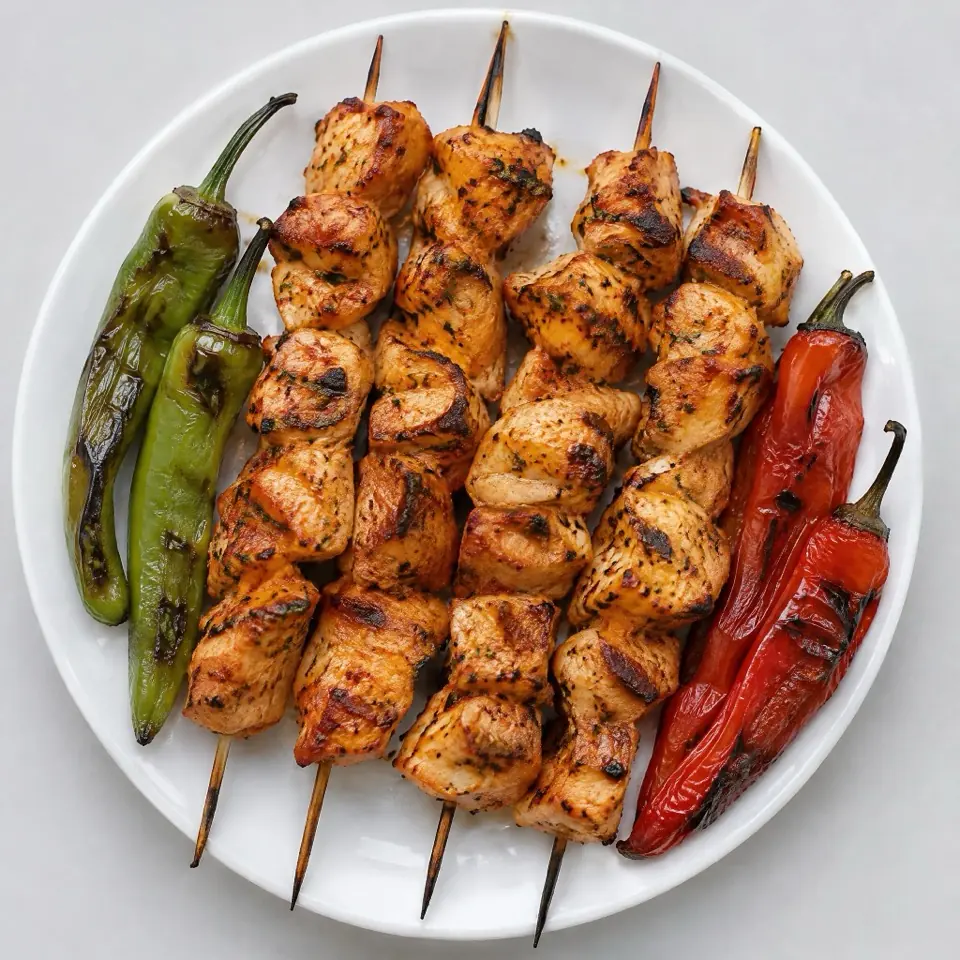
- Attack (about 2 days to 1 week): mostly lean protein such as skinless poultry, lean beef, fish, eggs and fat-free dairy, plus 1.5 tablespoons of oat bran a day, plenty of water and a 20-minute daily walk.
- Cruise (until you reach your goal weight): pure-protein days alternate with protein-plus-vegetable days. Non-starchy vegetables come back, oat bran goes up to 2 tablespoons and walks to 30 minutes.
- Consolidation (5 days for every pound lost in Cruise): some fruit, cheese and whole-grain bread return, with two “celebration” meals a week. Thursdays stay lean protein and oat bran only. Oat bran is 2.5 tablespoons a day.
- Stabilization (ongoing): you eat normally most of the week but keep one pure-protein day, 3 tablespoons of oat bran daily and the habit of taking the stairs.
How to do it, if you decide to try
If you want to try a high-protein plan, a few habits make it safer and easier to live with:
- Keep the Attack phase short. It is the most restrictive part and the one with the least fiber.
- Get vegetables back on the plate as soon as the plan allows. WHO advises at least 400 g of fruit and vegetables a day and at least 25 g of fiber for adults (WHO).
- Choose fish, poultry, eggs, low-fat dairy and tofu over processed meats, and watch the salt: WHO's limit for adults is under 5 g of salt a day.
- Drink enough water, especially in the first phases.
- Plan the exit. The hardest part of any short-term diet is what you eat after it ends.
Calories and macros on Dukan
Dukan doesn't ask you to count calories, but it still works through them. When most carbohydrate foods and added fats are off the menu, it is hard to eat as much. As one Cleveland Clinic dietitian puts it, any diet that helps you eat fewer calories may lead to weight loss at first (Cleveland Clinic).
Protein does have some advantages. A meta-analysis of 24 trials found that when calories were cut by the same amount, higher-protein diets led to slightly more weight loss than standard-protein ones (about 0.8 kg over roughly 12 weeks) and helped preserve lean mass (Wycherley et al., 2012). That is a modest difference, and those trials were not testing Dukan's extreme early phases.
To see where your own numbers land, use our calorie guide and check portions of everyday foods such as grilled chicken breast.
Pros and cons
Possible upsides: a clear structure with simple rules, protein that may help you feel full, fewer processed foods, and short-term weight loss for some people (Cleveland Clinic).
Downsides: the rules are strict and hard to sustain; fruit, whole grains and other nutrient-rich foods are limited; the plan is low in fiber, which can cause constipation; nutrient gaps are possible with long-term strict use; and keeping weight off afterward is often difficult (Cleveland Clinic).
A study of 51 women following Dukan in Poland found protein intake well above recommendations, low carbohydrate intake because they ate little fruit and vegetables, and low vitamin C and folate. The authors warned that long-term use could carry risks for the kidneys, liver, bones and heart (Wyka et al., 2015).
Who should not do the Dukan diet
Cleveland Clinic notes the diet could be dangerous for people with kidney disease, diabetes or high blood pressure (Cleveland Clinic). A review in the Journal of the American Society of Nephrology says high-protein diets can strain the kidneys and should be approached with care by anyone at high risk of kidney disease (Ko et al., 2020). People with diabetes are often in that higher-risk group.
Without medical guidance, it is also a poor choice if you:
- are pregnant or breastfeeding
- take medication for diabetes or blood pressure (ask your doctor before any big change in how you eat)
- have a history of disordered eating
- are a child or teenager who is still growing
- already struggle with constipation or have low fruit and vegetable intake
What the evidence says
The evidence for Dukan itself is thin. Its long-term effects haven't been tested in good-quality controlled trials, and the research that exists is mostly descriptive, such as the Polish survey of women on the diet, which found many nutritional imbalances (Wyka et al., 2015).
The broader research on higher-protein, calorie-controlled diets is more reassuring, but it shows small extra benefits and doesn't support cutting out vegetables or fruit (Wycherley et al., 2012). Dietitians generally point out that the plan that works best is a balanced, realistic one that's easy to keep up (Cleveland Clinic).
If you like the idea of eating more protein, you can get much of the benefit without the strictest phases: build meals around a lean protein, fill half the plate with vegetables, add a moderate portion of whole grains or legumes, and keep an eye on your total calories.
A sample day
A protein-and-vegetable day in the style of the Cruise phase, using dishes from our database. Our values reflect typical recipes, so they include some butter or oil; strict Dukan keeps added fat to a minimum.
Frequently asked questions
How long does the Attack phase last?
Usually about 2 days to a week. It is the strictest phase, with mostly lean protein, 1.5 tablespoons of oat bran a day and a short daily walk (Cleveland Clinic).
Is the Dukan diet the same as keto?
Not quite. Both cut carbohydrate, but Dukan is built around lean protein and fat-free or low-fat choices rather than added fat, and it brings foods back in set phases (Cleveland Clinic).
Is the Dukan diet safe?
For a healthy adult it may be tolerable for a short time, but it is low in fiber and some vitamins, and it isn't suitable for people with kidney disease, diabetes or high blood pressure (Cleveland Clinic; Ko et al., 2020). Talk to your doctor first if you have any health condition.
Why do people regain weight after Dukan?
Very restrictive plans are hard to keep up, and once normal eating returns, so do the calories. Cleveland Clinic lists difficulty keeping weight off long term as one of the diet's main drawbacks (Cleveland Clinic).
Sources
- The Dukan Diet Explained: Foods, Phases and Potential Risks — Cleveland Clinic
- Assessment of food intakes for women adopting the high protein Dukan diet — Roczniki Państwowego Zakładu Higieny (PubMed, NIH)
- Effects of energy-restricted high-protein, low-fat compared with standard-protein, low-fat diets: a meta-analysis of randomized controlled trials — American Journal of Clinical Nutrition (PubMed, NIH)
- The Effects of High-Protein Diets on Kidney Health and Longevity — Journal of the American Society of Nephrology (PMC, NIH)
- Healthy diet — World Health Organization
Related articles
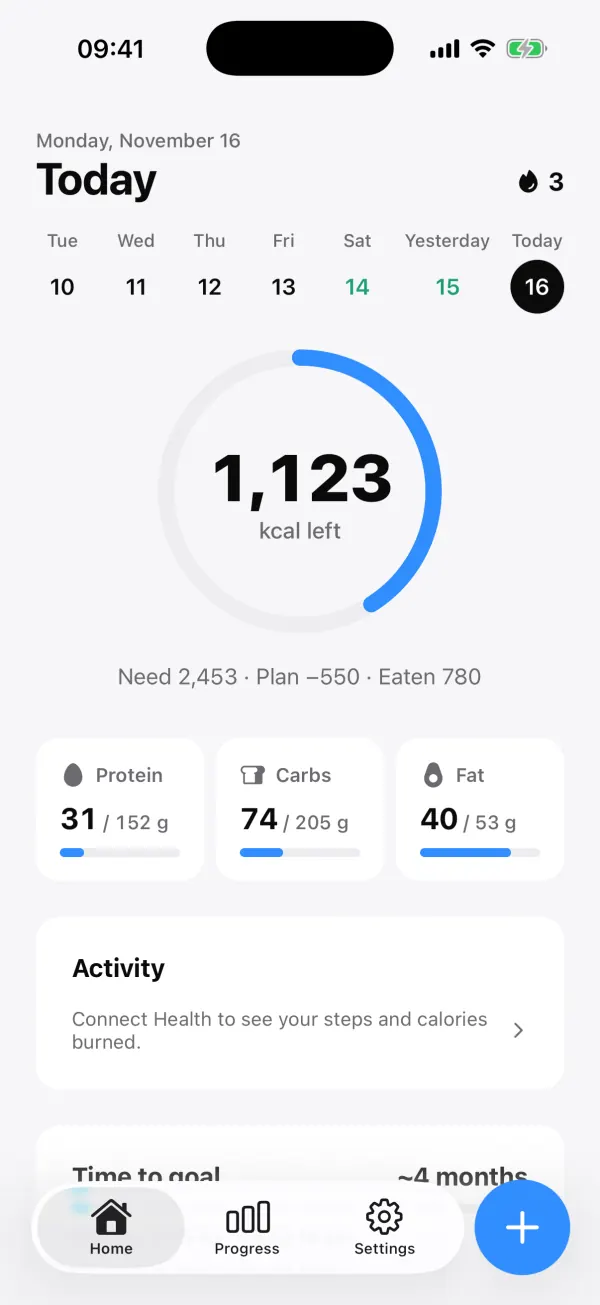
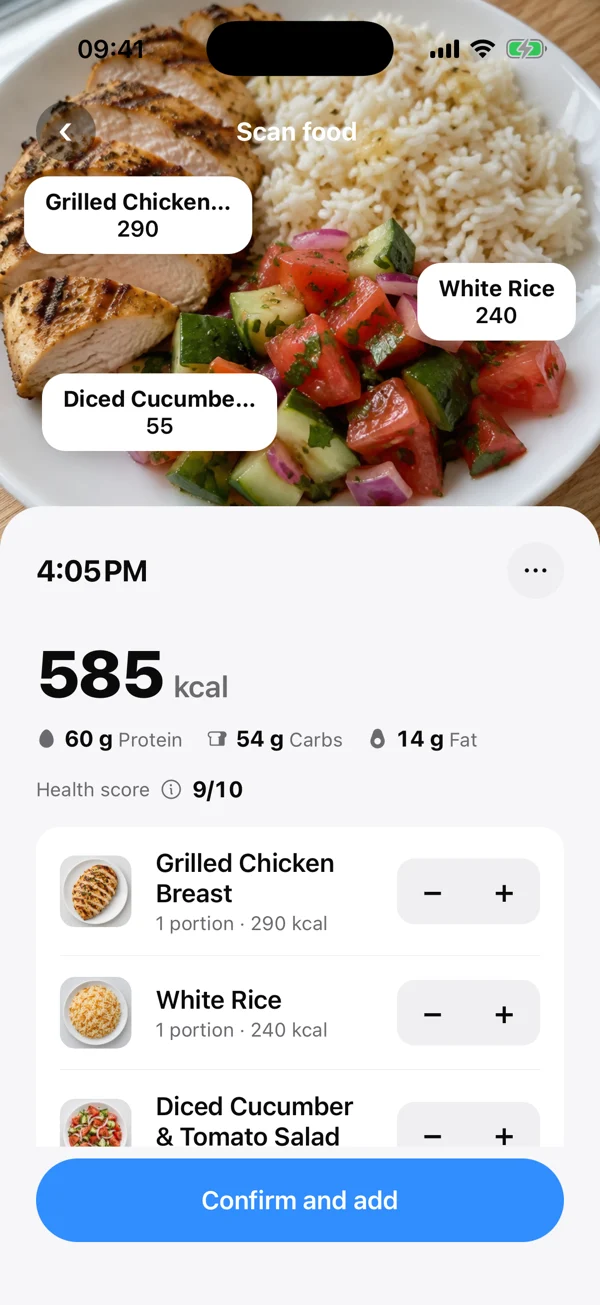
Track your plan with Kalomo AI
Snap a photo of your plate and get calories and macros in your log in seconds.