

































The 5:2 diet: how it works
This article is general information, not medical advice. Talk to your doctor or a registered dietitian before changing your diet, especially if you have a health condition, take medication, or are pregnant or breastfeeding. Disclosure: Kalomo AI makes a calorie-tracking app, which we mention at the end of this article.
The short answer
On the 5:2 diet you eat normally five days a week and cut back to roughly 500–600 calories on two non-consecutive days. Trials show it leads to weight loss similar to everyday calorie cutting, not more, and many people find it harder to keep up over time. It isn't for everyone: people who are pregnant, have a history of disordered eating or take diabetes medication should talk to a doctor first.
What the 5:2 diet is
The 5:2 diet is a whole-day form of intermittent fasting. Five days a week you eat your usual balanced meals; on the other two you eat much less. “Fasting” here means eating very little, not nothing at all.
Fasting-day targets vary a little by source. Cleveland Clinic sets the limit at 500 calories for women and 600 for men (Cleveland Clinic), while Harvard's Nutrition Source describes about 400–500 calories (Harvard). Keep at least one normal day between the two fasting days; Cleveland Clinic recommends spacing them as far apart as you can.
How to do it
Planning is what makes 5:2 workable. A few practical steps:
- Pick two quieter days, such as Monday and Thursday. Avoid days with hard workouts, long drives or a dinner out.
- Split your fasting-day calories into two or three small meals and decide in advance what they'll be.
- Drink plenty of water, plus black coffee or unsweetened tea if you like.
- Don't try to “make up” for it on normal days. Cleveland Clinic warns that fasting-day hunger can carry into the next day and lead to overeating (Cleveland Clinic).
- If headaches or fatigue hit hard in the first weeks, eat a little more on fasting days. If you keep feeling unwell, stopping is a perfectly reasonable choice.
How it relates to calories and macros
5:2 works by lowering your total calories across the week. In one trial, women ate roughly 2,700 kJ (about 650 calories) on two days a week for an overall 25% energy cut, and lost about as much weight as a group cutting calories every day (Harvie et al., 2011). In other words, 5:2 packs a weekly calorie deficit into two days.
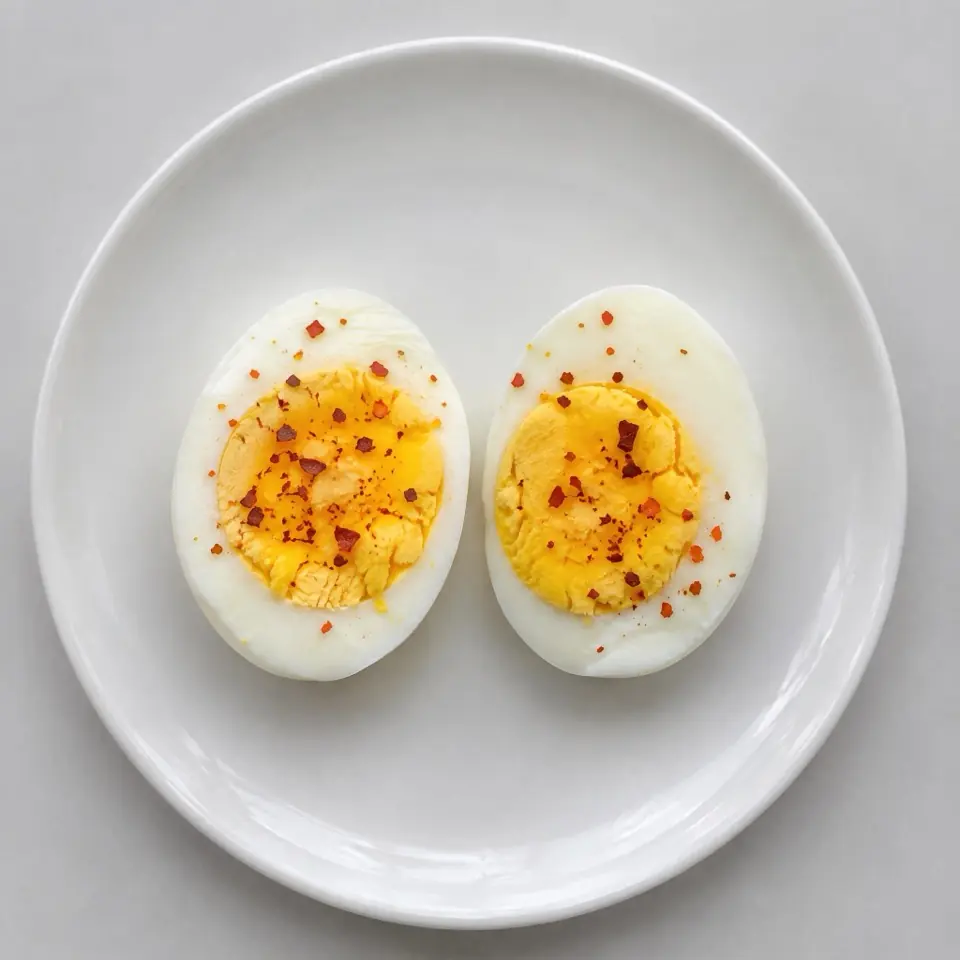
That means your five normal days still shape the result. On fasting days, lean protein, eggs, vegetable-based soups and salads let you fit more food into few calories. Our calorie guide shows portion values for lighter options like a bowl of tomato soup.
Pros and cons
Pros: Most of the week has no restriction at all, which some people find easier than dieting every day. In a trial of 300 adults, participants rated 5:2 instructions more favorably than standard weight-loss advice, and 5:2 didn't hurt other health habits such as fat and fiber intake or physical activity (Hajek et al., 2021).
Cons: People report fatigue, headaches, irritability, poor concentration and dizziness on fasting days (Cleveland Clinic). Sticking with it is harder: in the same 300-person trial, adherence fell from 74% at six weeks to 31% at six months and 22% at one year (Hajek et al., 2021).
Who should not do the 5:2 diet
Don't try 5:2 on your own if any of these apply; talk with your doctor or a registered dietitian first (Cleveland Clinic, Harvard):
- You're pregnant or breastfeeding
- You have a history of disordered eating
- You're underweight or undernourished
- You're a child or a growing teen
- You have diabetes, especially if you take glucose-lowering medication: in a trial of people with type 2 diabetes, even after doses were reduced at the start, 35% of those on sulfonylureas or insulin had low or high blood sugar events in the first two weeks, in both the 5:2 and the daily-restriction groups (Carter et al., 2018)
- You take medication that must be taken with food at regular times, or have an unmanaged chronic condition
What the evidence says
5:2 and similar weekly fasting plans have been tested in several solid randomized trials, and the picture is consistent: it works, but it isn't better than cutting calories every day. In a six-month trial of 107 women with overweight or obesity, the two approaches were equally effective for weight loss; drops in insulin resistance were somewhat larger with the intermittent approach, but modest (Harvie et al., 2011).
In a 12-month trial of 137 people with type 2 diabetes, eating 500–600 calories on two non-consecutive days a week lowered HbA1c about as much as eating 1,200–1,500 calories every day, though medications were adjusted under a protocol and participants were closely followed (Carter et al., 2018). And in a one-year trial of 300 adults with obesity, simple written 5:2 instructions produced modest results similar to standard brief weight-loss advice (Hajek et al., 2021).
So 5:2 is one way to create a weekly calorie deficit, and some people find it more manageable. Let the choice come down to which pattern you can keep up in the long run.
A sample day
A sample fasting day using dishes from our site. The first three items come to about 460 calories, in line with a women's target of around 500; adding oatmeal brings it to about 610 for men. On your five normal days, keep eating balanced, filling meals.
- LunchTomato soup1 bowl is about 48 calories.48 kcal1 bowl
- DinnerGrilled chicken breast1 breast is about 299 calories with 50 g of protein; the day's main meal.299 kcal1 breast
- Dinner sideCollard greens1 cup is about 109 calories.109 kcal1 cup
- Breakfast (men's 600 version)Oatmeal1 bowl is about 154 calories.154 kcal1 bowl
Frequently asked questions
Can I do my two fasting days back to back?
It isn't recommended. Cleveland Clinic says it's essential to have at least one non-fasting day in between and suggests spacing fasting days as far apart as possible (Cleveland Clinic).
How many calories should I eat on fasting days?
Sources give roughly 400–600 calories: Cleveland Clinic says 500 for women and 600 for men, and Harvard says about 400–500. Splitting that into small, pre-planned meals can make the day more predictable.
Is 5:2 or 16:8 better for weight loss?
There's little strong head-to-head evidence. For both, trials mostly find results similar to daily calorie restriction when calories are matched (Harvard). The one that fits your week better is the better choice for you.
I have diabetes. Can I try 5:2?
Only with your doctor. In a trial of people with type 2 diabetes, some participants on sulfonylureas or insulin had blood sugar problems in the first weeks even though doses were adjusted at the start (Carter et al., 2018). Your medication may need changing on fasting days.
Sources
- What To Know About the 5:2 Diet — Cleveland Clinic
- Diet Review: Intermittent Fasting for Weight Loss — The Nutrition Source, Harvard T.H. Chan School of Public Health
- The effects of intermittent or continuous energy restriction on weight loss and metabolic disease risk markers: a randomized trial in young overweight women (Int J Obes, 2011) — Harvie MN, et al. — PubMed
- A randomised controlled trial of the 5:2 diet (PLoS One, 2021) — Hajek P, et al. — PubMed
- Effect of Intermittent Compared With Continuous Energy Restricted Diet on Glycemic Control in Patients With Type 2 Diabetes (JAMA Netw Open, 2018) — Carter S, et al. — PubMed
Related articles
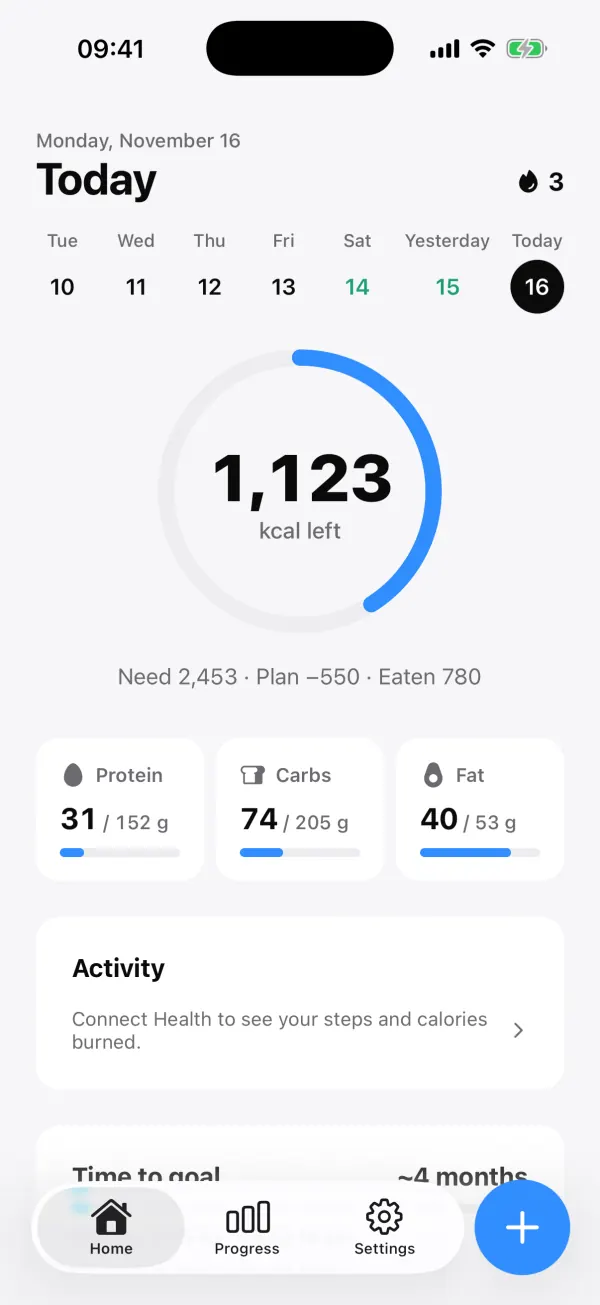
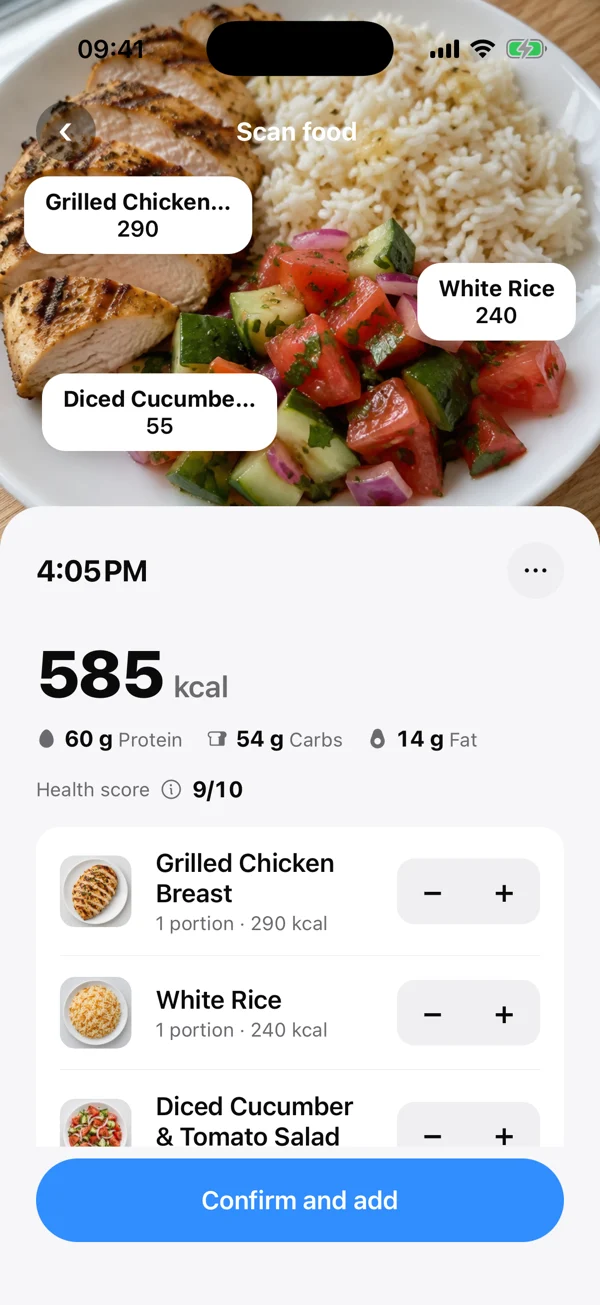
Track your plan with Kalomo AI
Snap a photo of your plate and get calories and macros in your log in seconds.